

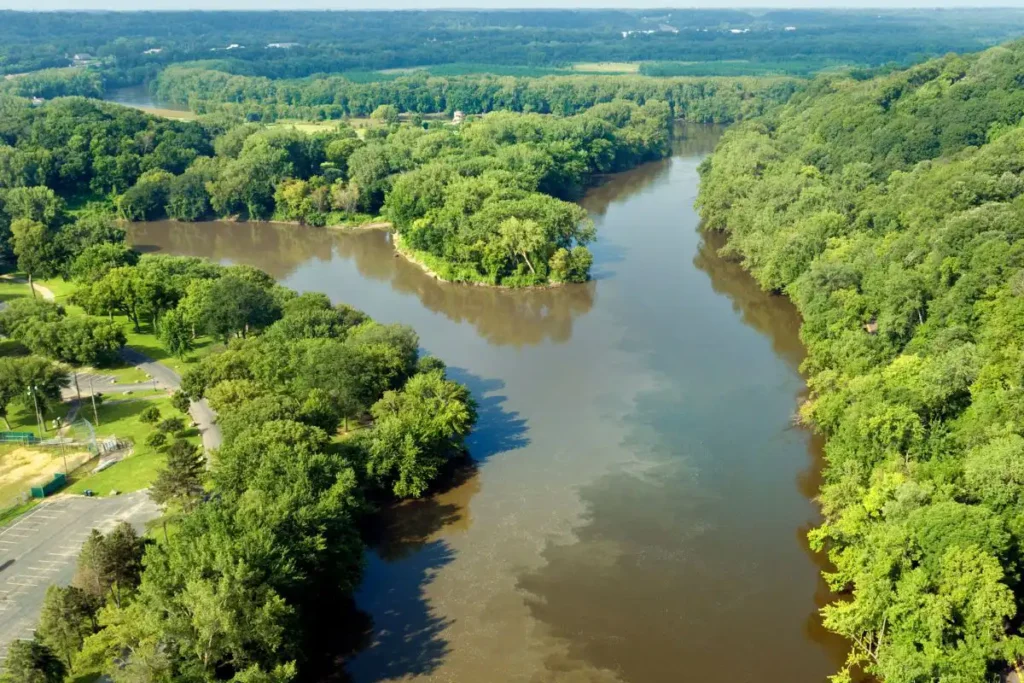
We all need access to clean water, and it is essential to our rural MN communities. Currently, Minnesota is in a water quality crisis due to runoff pollutants and increased erosion as a result of unregulated land management practices. But we know Minnesota can do better. CURE, as part of a coalition of nine state-based groups including—Coalition for a Clean Minnesota River, Friends of the Minnesota Valley, Green Crew, Minnesota Division of the Izaak Walton League of America, Minnesota River Collaborative, Minnesota Valley Chapter of the Izaak Walton League of America, and the Minnesota Well Owners Organization—led by the Minnesota Center for Environmental Advocacy, is asking the Minnesota Pollution Control Agency (MPCA) to protect our Minnesota waters by starting to regulate one of the largest sources of water pollution—agricultural drainage.
In Minnesota’s farm country, agricultural drainage is widespread. Agricultural drainage refers to artificial infrastructure (such as ditches, channelized streams, and tile — a system of subsurface perforated pipes) installed to remove excess water from cropland.
In efforts to maximize crop production over the past 100 years, over 19,000 miles of public ditches have been installed across Minnesota. To further compound the water challenges, this number does not include the miles of unregulated drain tile that empty into the public ditches. As a result, downstream impacts on the people (rural communities and fellow farmers), environment, infrastructure, and health of the water have been amplified. Unfortunately, the current system does not take into account these impacts when reviewing drainage projects. The lack of oversight of agricultural drainage projects is the primary reason the Minnesota River is one of the most polluted rivers in the state.
While the Petition’s central aim is to safeguard public health by lowering nitrate and nutrient pollution in our lakes, rivers, and streams, its impact goes far beyond cleaner water. By taking action, we not only protect water quality but also unlock a range of additional benefits:
- Protect communities from flash flooding and erosion: Improved oversight will help reduce severe floods and erosion in downstream areas, safeguarding homes, farms, and natural habitats.
- Save taxpayer dollars by preserving infrastructure: By cutting back on flood-related damage, we can reduce the need for repairs to roads and public infrastructure, saving Minnesotans hundreds of thousands of dollars each year.
- Boost natural water storage in our landscape: Smarter management provides more opportunities for water to be stored in the upper basin, supporting agricultural resilience and environmental health.
- Strengthen groundwater recharge: Increased water retention gives our aquifers the chance to refill, ensuring lasting access to clean drinking water for generations to come.
The Minnesota River stretches 332 miles, and managing water projects effectively along its entire length has proved challenging. When we fix a water issue upstream, it can unintentionally cause serious problems for downstream communities—including costly damage to homes, farms, and local infrastructure. That’s why it’s time for the state to step in, review these proposals as a whole, and prevent harm before it happens.
UPDATE: On October 27, the MPCA issued its decision on the coalition’s petition and chose not to grant the petition for rulemaking that we submitted at the end of August. MPCA offered three reasons for declining to require permits for new drainage systems at this time: (1) they have not required permits in the past; (2) the legislature did not clearly direct them to require permits for drainage systems; and (3) they don’t have funding right now to go through the process. The coalition agrees with all of these observations, but we disagree with the ultimate conclusion. Our position remains that the Minnesota Water Pollution Control Act gives MPCA all of the authority and direction required to begin this process. This is not the end of the coalition’s effort to improve ag drainage regulation to improve water quality in Minnesota.
Photo credit: Rob Levine