
Demand Data Center Action

Concerned about hyperscale data centers?
The moment is now.

The legislature has two months to pass a package of data center bills to adequately protect our communities and shared natural resources and ensure the public is not left behind in decisions that impact our land, water, and communities.

Proposed Hyperscale Data Centers in Minnesota

ORANGE PIN = Proposed Data Center • PURPLE PIN = Data Center Under Construction

Click a pin on the map below to learn more & to find a link to the most recent AUAR for each project.

  1. Rosemount (Early 2024) • Status: Under Construction
  2. Farmington (Mid-2024)
  3. Becker (2024)
  4. Lakeville (September 2024)
  5. Monticello I (November 2024)
  6. Hampton (Early 2025)
  7. Apple Valley (February 2025)
  8. Monticello II (Spring 2025)
  9. North Mankato (April 2025)
  10. Faribault (May 2025)
  11.  Cannon Falls  (August 2025)
  12. Pine Island (February 2026)
  13. Nobles County (February 2026)
  14. Hermantown (March 2026)
  15. Chaska (Early 2026)

Actions YOU can take to help.

Data Center Moratorium

Minnesota needs to press pause on data center development until we can study the potential community, economic, and environmental impacts hyperscale data centers may have on our state. Minnesota must also establish a regulatory framework that adequately protects communities and gives them a voice.

House Bill 4888: Please ask your State Representative to join as a coauthor! 
Senate Bill 4298: The Senate Energy Committee has not yet agreed to hear the bill.

Large Water User Requirements

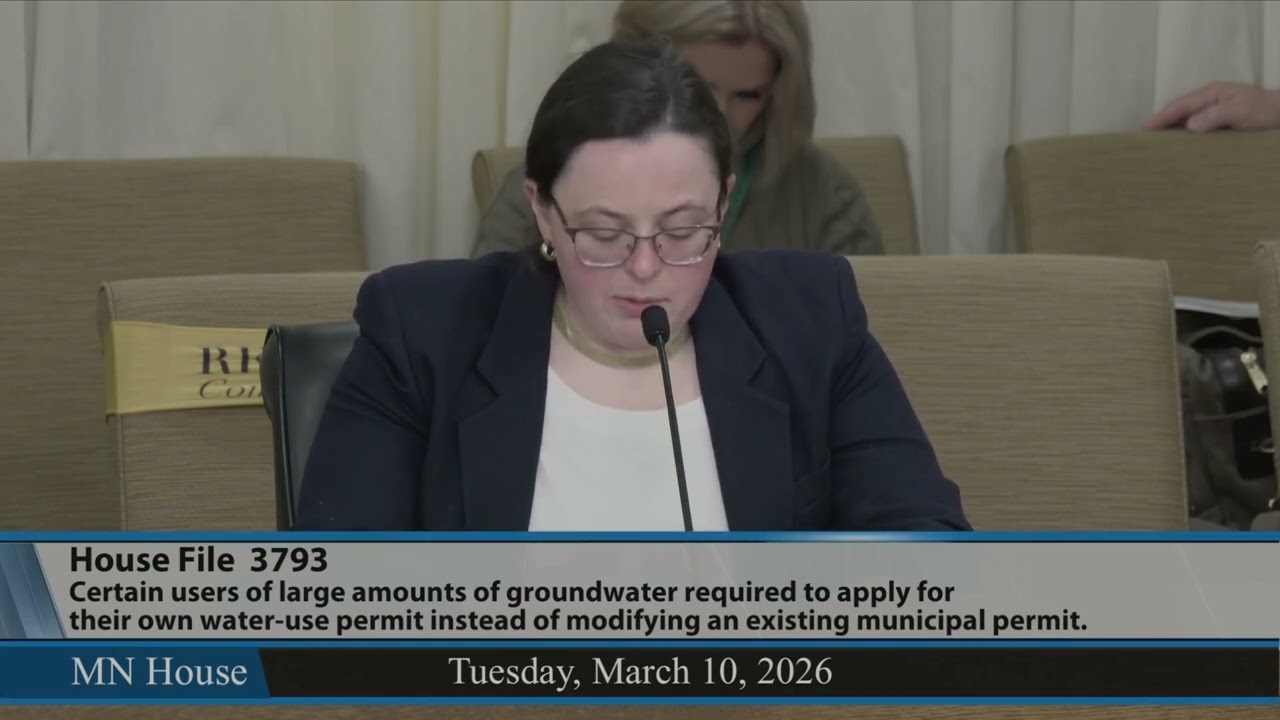
Currently, data center developers may be able to exploit a loophole in Minnesota law and obtain their water through municipalities, rather than through their own water permits. This limits the public’s ability to engage in the permitting process and obscures the true impact such development may have on the community’s water resources.

House Bill 3793: Heard in the House Environment Committee and laid over for possible inclusion in an omnibus bill.
Senate Bill 3852: Hearing in Senate Environment Committee on Thursday, March 26

Restriction on Municipal Non-Disclosure Agreements

Hyperscale data center developers have been asking local governments—including elected officials, city employees, or even contractors—to sign Nondisclosure Agreements (NDAs), as a condition of their interest in choosing to locate in that town or city. But transparency is essential to maintaining public trust in our government. Restricting the ability of municipalities to sign NDAs regarding specific types of projects will promote transparency and support our local governments when these companies come calling. 

House Bill 4077: Passed Elections Finance Committee unanimously. Next up: Judiciary Committee
Senate Bill 4379: Passed State and Local Government Committee. Next up: Judiciary Committee

Individual Permit Application

Environmental Impact Statements, community engagement and clean energy from the start

Communities need to know how hyperscale data centers will impact the environment, what kind of noise and light pollution there will be, and the data center’s plan for using only clean energy to power its operations. Creating a data center permit would allow for clarity about what must be considered during the permitting process, ensure robust public engagement opportunities and establish requirements an applicant must meet, like using and investing in clean energy from the start.

House Bill 2928: Introduced and referred to House Energy Committee
Senate Bill 3968: Introduced and referred to Senate Energy Committee

Tax Exemption Modification

Data centers of all sizes enjoy a sales tax exemption for purchases of hardware, software, and even cooling equipment and some power infrastructure. Hyperscale data centers, the largest kind of development, often owned by the wealthiest companies in the world, don’t need these kinds of giveaways. Especially since Minnesota is on track to lose $150 million annually on these exemptions—before any hyperscale data center developers even begin operating. Repealing the sales tax exemption for hyperscale data centers just makes sense.

House Bill 4173: Introduced and referred to Taxes Committee
Senate Bill 4203: Introduced and referred to Taxes Committee

Grassroots Data Center Resources

Coalition for Responsible Data Center Development (Farmington) 
Visit DataCenterResponsibility.com

Nobles County for Data Center Transparency
Join the Facebook Group

Stop the Hermantown Data Center
Visit StopTheHermantownDataCenter.org

Stop the Monticello Data Center
Join the private Facebook Group

Stop the Pine Island Data Center
Join the Facebook Group

Data Center Videos

10 Videos
Scroll to Top
Kelsey Olson

Kelsey Olson

Director of Environmental Stewardship

Kelsey Olson (she/her) joined CURE in 2025 as its Director of Environmental Stewardship. As a skilled environmental naturalist, Kelsey’s work focuses broadly on environmental education and advocacy with a keen focus on rural land use and how that use impacts our environment and climate. Working Lands, how land is used to support agriculture and forestry, is a key focus of her work. She brings 15 years’ experience in public communication, environmental education, and rural community engagement – strong communication strategies are core in her work. This includes two terms of service with AmeriCorps in the VISTA program in Oregon and Maryland and a nearly 10-year career as a naturalist followed. She recently worked on communications and marketing for rural economic development.

Kelsey lives in New London, MN, with her young children, husband, dog, and two cats. They enjoy spending time together outside and finding small treasures in nature. Visits to Minneapolis often include visits to one of their favorite historical museums, the American Swedish Institute. Kelsey enjoys experimenting in the kitchen, canning local produce, and making kombucha.