


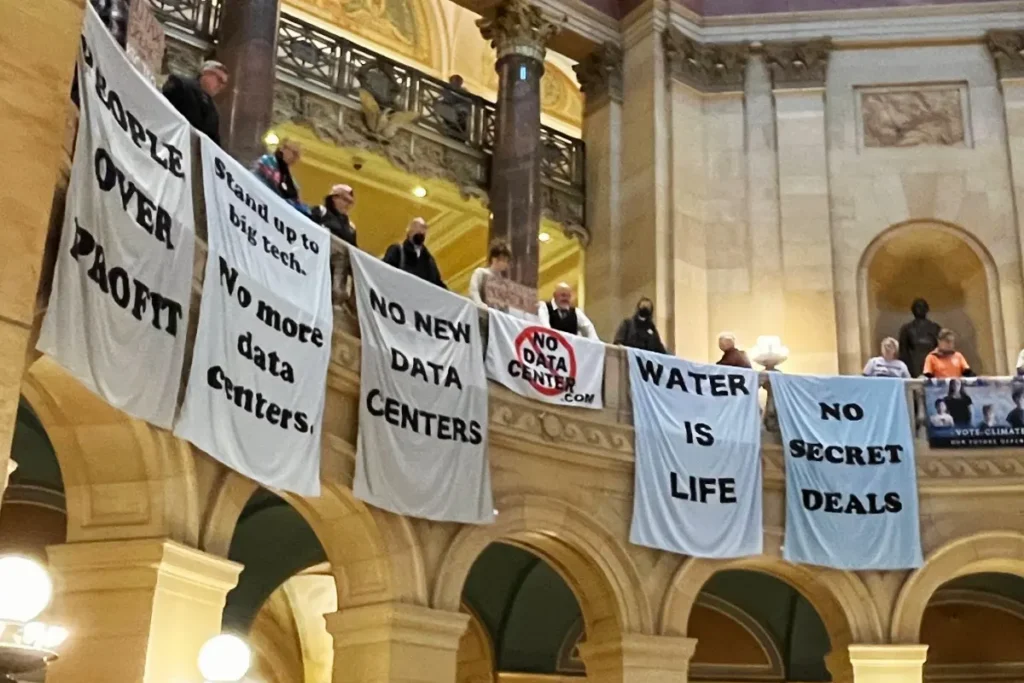
🏛 Unfinished work: Data Center Laws MN Needs
Minnesota’s 2025 data center law left major gaps that put communities, water, and local decision-making at risk. As lawmakers look ahead to the 2027 session, CURE is calling for stronger protections: a statewide permitting process, full environmental review, clean energy requirements, water use transparency, community safeguards, limits on secret NDAs, and stronger e-waste rules. Big Tech should not get special treatment while Minnesota communities shoulder the costs. If hyperscale data centers want to do business here, they should be transparent, accountable, and good neighbors. Read more.
💧 Speak Up on the Talon Nickel Mine
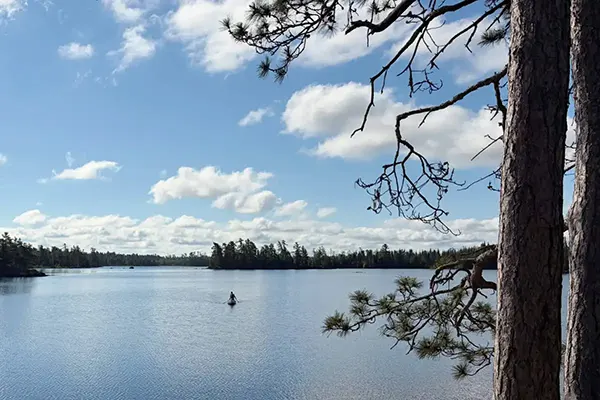
Minnesota’s first proposed nickel mine could set the standard for future mining across our state. The Talon Nickel Mine near Tamarack sits in a landscape of wetlands, lakes, rivers, and groundwater connected to the Mississippi and St. Croix watersheds. People are raising concerns about long term water pollution, impacts to wild rice, fish, private wells, and treaty protected resources. Right now, the MN Department of Natural Resources (DNR) is reviewing permit materials. Submit a comment with your concerns.
⚠️Call for strong conditions on proposed Silver Rapids project🌲💧

It looks like Lake County won’t require a full Environmental Impact Statement (EIS) for the Silver Rapids redevelopment near Ely, and a conditional use permit for the project will be considered later in September. CURE and others raised concerns about groundwater, contamination, habitat loss, fire risk, and shoreline impacts of the project. Now it’s up to local leaders to put strong conditions on this project to address the numerous identified harms that can be mitigated with permit conditions. Rural communities shouldn’t be asked to absorb unnecessary risks while outside developers reap the rewards.