
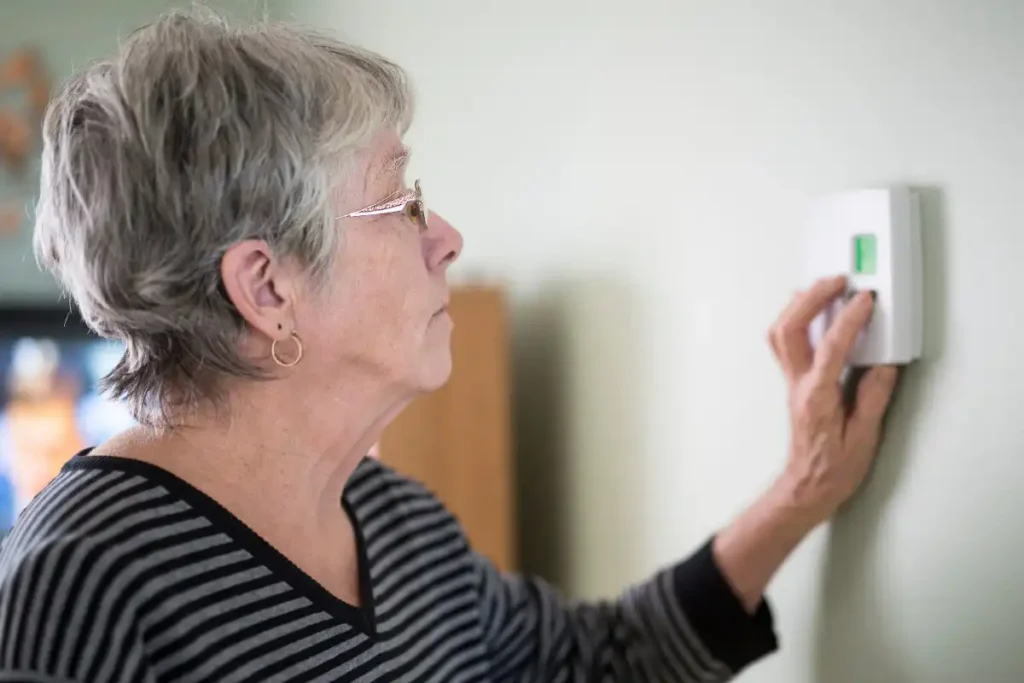
It costs more and more every month to keep our homes warm in the winter and cool in the summer.
According to the National Energy Assistance Directors Association (NEADA), the average electric bill in Minnesota rose more than 9% in just one year, from $94.45 in October 2025 to $103.04 in October 2026. Heating costs are climbing, too. Many rural and Tribal households rely on heating fuels, and those prices are rising because of global conflict, including the war in Iran, and higher demand after an unusually cold winter.
For families already stretched thin, this is pushing people to the brink. Across Minnesota, households are falling behind on their energy bills — facing shutoffs or being forced to choose between keeping the heat on and putting food on the table.
That’s where Minnesota’s Energy Assistance Program (EAP) comes in. Supported by federal Low Income Home Energy Assistance Program (LIHEAP) funding, EAP helps low‑income seniors, families, and individuals keep their homes safe and livable, especially during Minnesota winters. This winter alone, more than 100,000 households received help.
But it’s not nearly enough. Only 1 in 4 eligible households actually receives Energy Assistance, and Minnesotans are now $145 million behind on electricity and natural gas bills statewide.
The Minnesota Senate is advancing a proposal to add $15 million for Energy Assistance. The plan has broad support from ratepayer advocates, clean energy groups, housing organizations, labor unions, and major utilities. But it will only cross the finish line if legislators hear from people like you.
No one should lose heat in a Minnesota winter. Let your lawmakers know it’s time to act!
📣 Tell your legislators today: Pass the Energy Assistance Expansion bill!
(The proposal was originally in bills SF 486/HF 771 and is now moving forward in the Senate energy omnibus, SF 4504.)