

MN PUC Commissioners urge electric co-op members to use their power to rein in Minnesota Valley leadership’s “bad behavior”
After two years of delays, threats, and legal battles, the Upper Sioux Community (Community) achieved a significant victory last week when the Minnesota Public Utilities Commission (PUC) ruled that Minnesota Valley Cooperative Light & Power Association (Minnesota Valley) based in Montevideo acted unlawfully by threatening to disconnect the Community over its behind-the-meter solar and battery project.
The PUC’s unanimous decision is a significant development for the Community’s effort to produce its own renewable electricity and for other rural electric cooperative members pursuing clean energy projects.
During the more than two-hour hearing, PUC commissioners sharply criticized Minnesota Valley’s actions and its treatment of co-op members. Commissioner Audrey Partridge said she hoped Minnesota Valley’s members were paying attention because they have the power to hold the board accountable for poor policies. She went on to suggest that the cooperative’s leadership had put its own interests ahead of its members, saying “the fox is in charge of the hen house.”
Partridge also said Minnesota Valley’s treatment of the Upper Sioux Community had exposed problems that extend beyond the Tribe itself: “it is not just the Upper Sioux Community who has been suffering.”
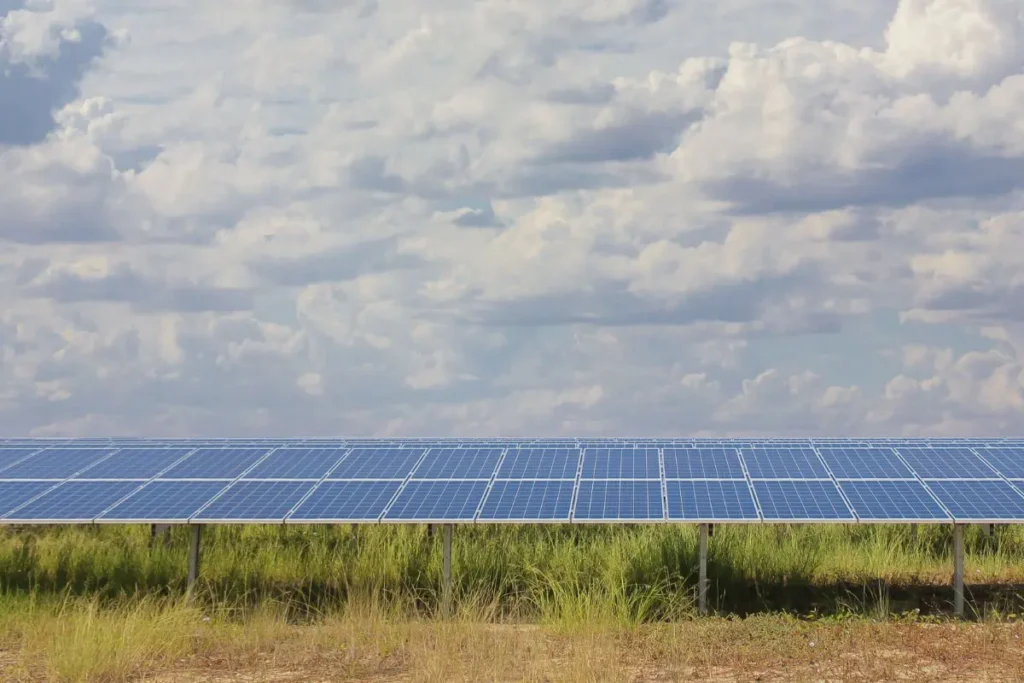
The PUC’s ruling clears the way for the Upper Sioux Community to finally put its 2.5-megawatt solar array and 800-kilowatt battery storage system to work, pending an independent engineering review and any necessary technical adjustments required by that review. The project has been ready to operate for roughly the past two years but was kept offline by Minnesota Valley’s repeated threats to disconnect the Community’s electric service.
“We’re happy that the PUC took rural electric co-op member-owner rights seriously in this case,” said CURE Legal Director Hudson Kingston. “We’re also just as concerned as some of the commissioners about what happens when the democratic governance of rural electric cooperatives breaks down. Without strong governance co-ops can and do work against the very member-owners they were created to serve—especially members who want to pursue clean energy projects consistent with Minnesota law.”
The PUC’s decision followed the findings and recommendations of an Administrative Law Judge and arguments made by the Minnesota Department of Commerce (Commerce) and other parties, including comments from CURE. The case centered on whether Minnesota Valley could prevent the Upper Sioux Community from operating its behind-the-meter solar and battery system and threaten to disconnect the Community’s electric service if it turned the system on.
The PUC also agreed with Commerce that Minnesota Valley’s actions appear to be tied to concerns about reduced sales instead of legitimate safety concerns. At the same time, the case raised evidence that the Upper Sioux Community may be paying relatively higher rates than other co-op members.
In questioning financial concerns, the commissioners also called out Minnesota Valley’s executive pay. General Manager Pat Carruth receives $675,000 annually in total compensation. Commissioner Audrey Partridge broke the number down in practical terms, noting that “each one of your members … is paying around $130 every year just towards one executive’s compensation.” For members of many other electric cooperatives across Minnesota, that cost is closer to $40 to $60 per year.
Minnesota Valley’s attorney said the co-op will comply with the PUC’s decision but plans to appeal the order in state court.
The PUC also did not clarify whether, in their view, Tribal Nations can select their electric utility without state agency action. “Nearly every Tribal Nation in Minnesota is served by a rural electric co-op, and most are pursuing larger clean energy projects,” said Kingston. “The PUC had a chance to provide clarity that Tribes are free to change utilities on reservation lands, but it passed on the opportunity to help utilities and Tribes operate under clear standards already set by federal courts.” He said this was a missed opportunity to help these entities work together and negotiate better solutions with better understanding.
In the hearing, the PUC urged Minnesota Valley members to reassert their power and voice to shape the board of directors and guide co-op governance.
The next Minnesota Valley Board of Directors election process begins in February 2027, but members don’t have to wait until then to speak up. They can contact their district director and demand accountability today. The co-op’s bylaws give the board broad authority over the co-op’s management and business decisions, including responsibility for hiring and overseeing the general manager and executive pay. If Minnesota Valley is going to change course, that change will have to come from the people who own it.