


🗳 Data Centers are on the ballot this November
This election season ask candidates where they stand on data centers. Will they support strong statewide rules to protect our water, demand transparency, end tax breaks, require clean energy from the start, and give local communities a real voice? Minnesota’s 2025 data center law fell short. In 2027, lawmakers must pass comprehensive data center regulations that put Minnesotans first.
Who you elect matters. We need data center laws that put people first, not Big Tech. Learn more.
⚖️ CURE sues U.S. Bureau of Prisons over FOIA fail
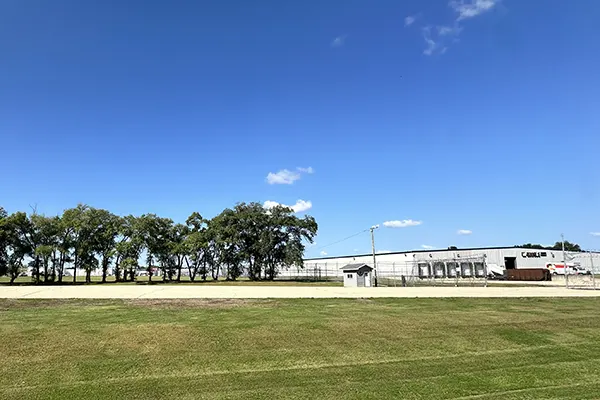
Seven months after CURE filed a Freedom of Information Act (FOIA) request, the U.S. Bureau of Prisons still has not produced records related to a 2014 environmental review of the Prairie Correctional Facility in Appleton. With plans moving forward to reopen the prison as an immigration detention center, CURE has filed a federal lawsuit to force the release of documents that could reveal environmental and community impacts. Read more.
⚡PUC to MN Valley REC: Stop Upper Sioux Disconnection Threats
The Minnesota Public Utilities Commission unanimously ruled that Minnesota Valley Cooperative Light & Power Association based in Montevideo acted unlawfully when it threatened to disconnect the Upper Sioux Community over its behind the meter solar and battery project. Commissioners also criticized the electric co-op’s leadership over “bad behavior” and urged members to hold the board accountable. Read more.
💧 Ag drainage lawsuit dismissed
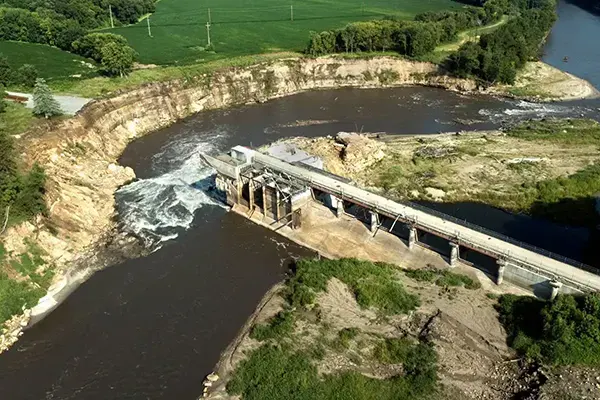
A judge has ruled that the Minnesota Pollution Control Agency (MPCA) does not have authority to regulate pollution from public agricultural drainage systems, infrastructure that aids crop production but funnels significant water pollution into Minnesota’s lakes, rivers, streams, and drinking water. CURE believes the decision gets it wrong. Rural communities should not be left paying for washed out roads, eroding riverbanks, and contaminated drinking water. Read more.
🤔 GRE Integrated Resource Plan: The Good, The Bad, The Confusing
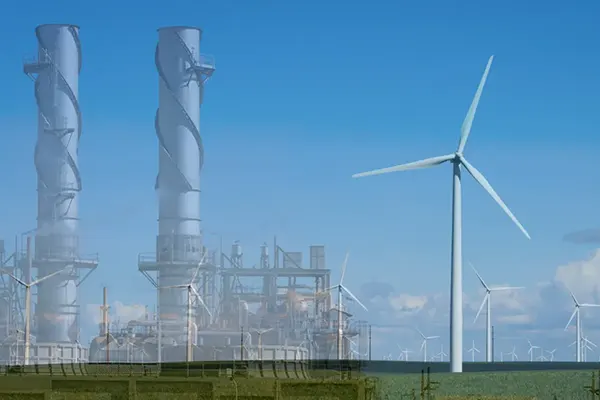
Great River Energy’s latest Integrated Resource Plan (IRP) is a mixed bag. Pros: More wind power and a planned phaseout of coal by 2031. Cons: Major new investment in natural gas plants, driven largely by rising demand from proposed data center development. But big questions remain about future electricity demand forecasts, energy storage plans, and why smaller-scale solar and industrial demand response received so little attention. Read more.